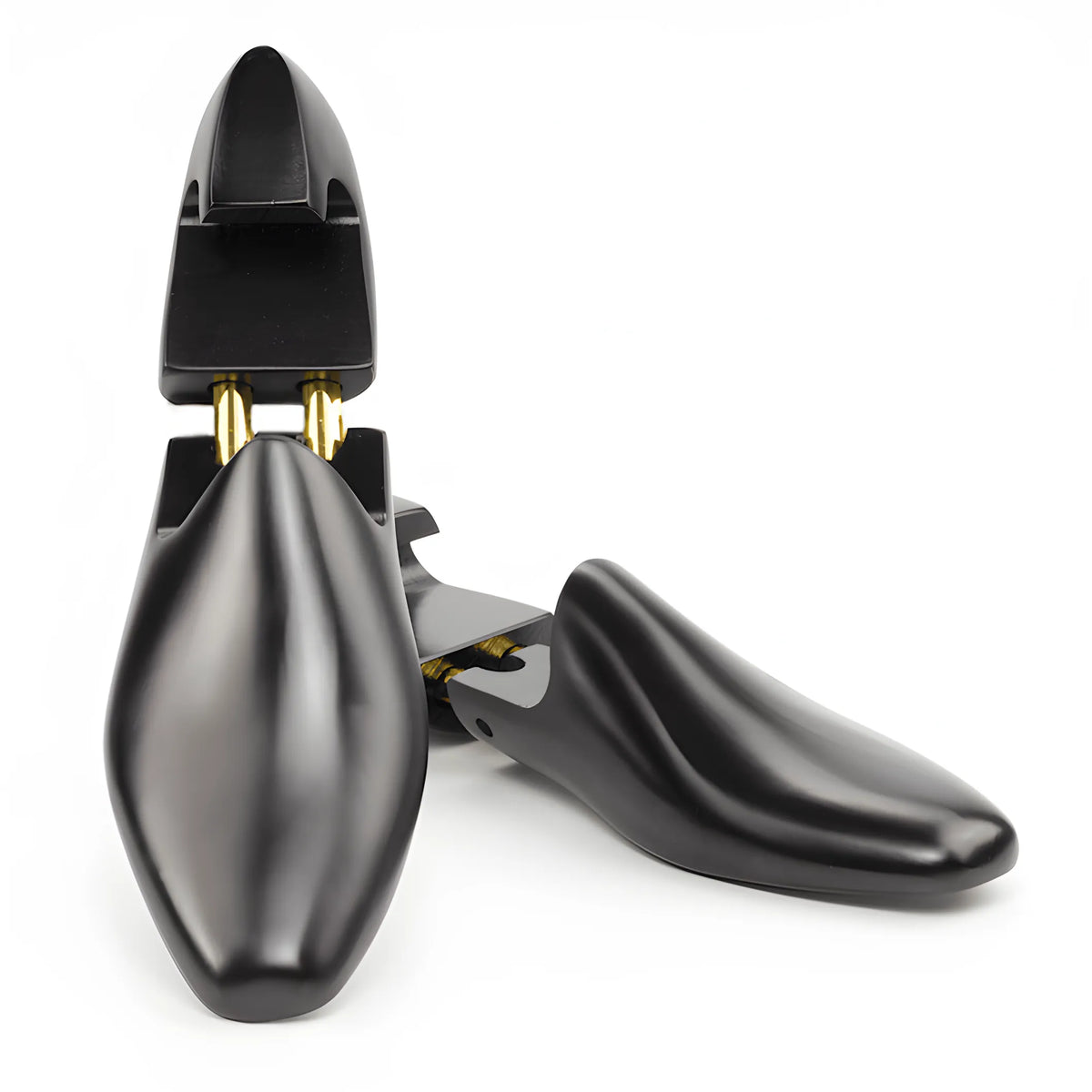
The Overnight Cure: In Praise of the Shoe Tree, Menswear's Quietest Hero

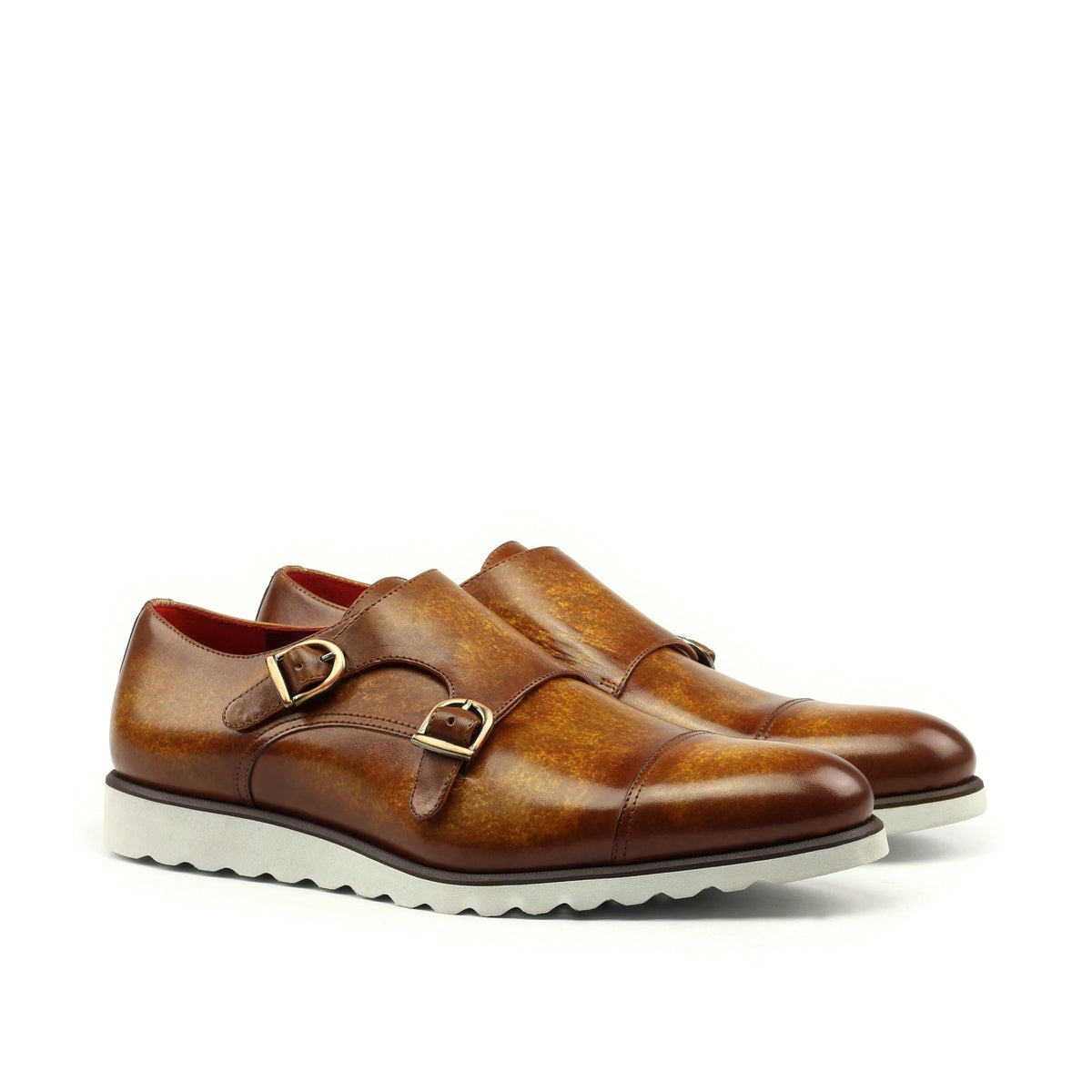
Ask a man to name the most important object in his shoe wardrobe and he will point, invariably, at the shoes. The oxfords he saved for. The boots he wore to his wedding. The double monks that took three fittings to get right. He will not point at the pale, unassuming lump of cedar sitting inside them — the thing doing the actual work of keeping those shoes worth owning.
This is a mistake, and a common one. The shoe tree is the wardrobe equivalent of a good foundation: invisible, unglamorous, and the difference between something that lasts a decade and something that cracks across the vamp inside two winters. It photographs badly. It generates no envy. And it is, pound for pound, the smartest money most men will ever spend on their footwear.
A brief history of a small idea
The shoe tree is old — older than most of the shapes it now props up. Cobblers in the eighteenth and nineteenth centuries used carved wooden lasts and formers to keep boots in shape between wearings, and by the Victorian era the spring-loaded, adjustable tree we recognise today had taken hold. In grand houses it was the valet's quiet province: the man who drew your bath also stuffed your shoes with cedar the moment you stepped out of them, still warm.
That last detail matters more than it sounds. The whole point of a shoe tree is timing. A leather shoe absorbs a startling amount of moisture over a single day — some estimates put it at a small espresso cup's worth of sweat per foot — and leather, being skin, does what skin does: it swells, then it shrinks, and as it shrinks it curls. The toe lifts. The heel cants. Deep creases across the forefoot harden into permanent folds. Insert a tree while the leather is still damp and pliable, and it dries flat, smooth and in the shape you actually want. Wait until morning, and you are merely preserving yesterday's damage.

Why cedar, specifically
You can buy plastic shoe trees, and they will hold a shape adequately. But the reason serious shoemakers reach for aromatic red cedar is that it does three jobs at once, and does them without electricity, refills or fuss.
- It draws moisture out. Cedar is hygroscopic — it wicks dampness from the lining faster than air alone ever could, which is precisely where rot and odour begin.
- It deodorises. The same oils that give a cedar closet its clean, dry smell suppress the bacteria responsible for the less charming smell of a well-used shoe.
- It holds the last line. A properly weighted tree with a full, contoured toe block supports the shoe end to end rather than just wedging the front open — the difference between smoothing a shoe and stretching it out of true.
The catch, and it is a small one, is that raw cedar loses its scent over the years as the pores clog. The fix is almost comically low-tech: a light sanding with fine paper reopens the grain and the smell returns. A shoe tree, in other words, is one of the few things you own that can be revived with sandpaper and thirty seconds.

Que Shebley's own Shoe Tree Lux is a sensible template for what to look for: cedar, a contoured heel and toe, and enough spring tension to hold the shoe under gentle pressure rather than jam it open. It is a modest object next to the made-to-order patina shoes it is designed to serve — which is rather the point. The best tools tend to be.

The maths nobody does
Here is the argument that ought to end the debate. A pair of hand-finished shoes in Italian crust leather represents a real investment — the kind of purchase a man deliberates over, then keeps. The tree that protects it costs a small fraction of that. Skipping it to save money is like buying a case of good wine and storing it upright next to the radiator: technically you still own the wine, but you have quietly agreed to ruin it.
And the damage a missing tree does is not cosmetic wear you can polish away. Deep toe-spring creasing, once set, is structural — the leather fibres are folded and broken along the same line every day until they stay broken. No cream on earth un-creases a shoe. Prevention is the only cure, and prevention costs less than a decent lunch.
How to actually use one
The ritual is simple enough that there is no excuse not to keep it. Take the shoe off. Tree it immediately, while it is still warm — not tomorrow, not at the weekend, now. Leave it at least overnight before the shoe goes back into rotation, which is the real reason the old rule holds that no good shoe should be worn two days running: the leather needs a full day, ideally more, to dry completely. Two pairs and two pairs of trees is the minimum civilised set-up; four is better.
A few refinements the obsessives swear by, and they are right to:
- Match the tree roughly to the shoe's size and shape — a tree too large stretches, too small does nothing.
- Never tree a wet shoe with heat nearby. Air-dry at room temperature; cedar and patience do the rest.
- Keep your travel pair trees light and unvarnished — you want the wood breathing, not sealed under lacquer.
The quiet lesson
There is something faintly out of fashion about the whole enterprise, and that is exactly what recommends it. We have grown used to buying the visible thing — the shoe, the watch, the coat — and neglecting the invisible discipline that keeps it good. The shoe tree belongs to an older idea of luxury, the one that measured a man not by what he bought but by how well he looked after it.
Slip a pair of cedar trees into your best shoes tonight and you have quietly joined that tradition. Nobody will see it. Nobody is supposed to. But in five years, when the shoes still sit flat and smell of nothing worse than clean wood, you will understand why the valets never made a fuss — they simply did it, every night, and let the leather speak for them.

اترك تعليقًا
This site is protected by hCaptcha and the hCaptcha Privacy Policy and Terms of Service apply.